
What is Scope 3 Decarbonization for Enterprises
Most enterprise sustainability teams have already tackled the emissions they control directly: facility energy, company vehicles, purchased electricity. The next frontier is much larger. Scope 3 decarbonization addresses the emissions embedded across your entire value chain, from the raw materials your suppliers source to the end-of-life treatment of your products.
This article explains what Scope 3 decarbonization means for enterprises and how specialized consulting services help you measure, prioritize, and reduce these emissions.
Value chain emissions often account for up to 75% of an enterprise's total carbon footprint, according to the Science Based Targets initiative. That figure makes Scope 3 the single largest opportunity for meaningful climate impact. Yet many organizations hesitate because the data spans hundreds of suppliers, transportation networks, and downstream activities outside their direct control.
Key Takeaways: What is Scope 3 decarbonization for enterprises
Scope 3 emissions cover all indirect emissions in your value chain, upstream and downstream, and often exceed 70% of your total carbon footprint.
Decarbonization consulting helps you collect supplier data, calculate carbon footprints, and identify high-impact reduction opportunities.
Engaging suppliers early with education and clear expectations accelerates emissions reporting and builds long-term partnerships.
RyeStrategy acts as a hands-on extension of your team, custom-tailoring supply chain decarbonization programs for enterprises.
Prioritizing Scope 3 action strengthens climate disclosures, satisfies investor expectations, and positions your enterprise as a sustainability leader.
What are Scope 3 emissions?
The Greenhouse Gas Protocol divides corporate emissions into three scopes. Scope 1 covers direct emissions from owned or controlled sources like company vehicles and on-site fuel combustion. Scope 2 covers indirect emissions from purchased electricity, steam, heating, and cooling.
Scope 3 captures everything else: all other indirect emissions that occur in the upstream and downstream activities of your organization. The GHG Protocol identifies 15 categories of Scope 3 emissions, ranging from purchased goods and services to employee commuting, business travel, waste disposal, and the use of sold products.
For most enterprises, Scope 3 represents the majority of their total greenhouse gas footprint. That reality makes accurate GHG measurement and targeted reduction essential for any credible net zero commitment.
Why do falue chain emissions matter for enterprises?
Regulatory pressure is increasing. The European Union's Corporate Sustainability Reporting Directive (CSRD) requires value chain disclosure. California's SB 253 mandates Scope 3 reporting for large companies doing business in the state. Investors, too, expect transparency: a 2023 PwC Global Investor Survey found that 75% of investors consider how a business manages sustainability-related risks when making investment decisions.
Beyond compliance, there is a strategic advantage. Enterprises that engage suppliers on climate action can identify cost-saving efficiencies, reduce supply chain risk, and strengthen relationships with customers who share their climate goals. Supplier sustainability is not only ethically responsible but also strategically advantageous, positioning enterprises as leaders in the market.
How does Scope 3 decarbonization consulting work?
At RyeStrategy, supply chain decarbonization services are customized and start with a holistic Scope 3 emissions analysis and exploration of emissions reduction and supplier engagement tarets. The process typically follows a clear progression: baseline measurement, hotspot identification, supplier engagement, target setting, and reduction planning.
Baseline Measurement and Carbon Footprinting
The first step is calculating your current Scope 3 footprint. This requires gathering activity data from across your value chain, including procurement records, transportation logs, and supplier emissions data. Carbon accounting software streamlines data collection and applies GHG Protocol methodologies to convert activity data into carbon dioxide equivalent (CO2e) figures.
For enterprises with hundreds of suppliers, this task can feel overwhelming. Specialized sustainability consultants, like RyeStrategy, help by prioritizing supplier climate data requests, providing educational resources to suppliers, and filling gaps with industry benchmarks when primary data is unavailable.
Hotspot Identification
Once you have a baseline, the next step is identifying which categories and suppliers contribute the most to your footprint. Purchased goods and services often dominate for enterprises in retail and manufacturing. Transportation and distribution may rank highest for logistics-heavy businesses.
Hotspot analysis focuses your resources where they will have the greatest impact. Instead of asking every supplier for the same level of detail, you can prioritize engagement with the suppliers responsible for the largest share of your emissions.
Supplier Engagement Programs
Reducing Scope 3 emissions requires collaboration. Enterprises cannot mandate how suppliers operate, but they can set expectations, share resources, and create incentives for action. Effective supplier engagement programs combine education, direct support, and clear request timelines.
RyeStrategy partners with enterprise sustainability and sustainable procurement teams to design programs that deliver supplier engagement results. With years of hands-on experience supporting small and medium-sized suppliers to Microsoft, Walmart, Salesforce, and Target, RyeStrategy understands the practical challenges suppliers face.

“We have the opportunity to engage our vendors and drive greater environmental impact by asking them to join us in reporting and reducing emissions.”
Sophia Gluck
Senior Sustainability & Responsible Technology Manager, Okta
→ Read the case study on Okta’s supplier engagement initiative, highlighting their success with long-time supplier, Launch.
One approach is the supplier accelerator model. In 2022, Salesforce partnered with RyeStrategy on a first-of-its-kind accelerator aimed at educating small and diverse suppliers and guiding them through their first GHG inventory. The program recognized that for many suppliers, the request seemed difficult because they were starting from scratch.
Target Setting and Reduction Planning
With baseline data and supplier engagement underway, enterprises can set science-based targets aligned with global climate goals. The Science Based Targets initiative (SBTi) requires companies to include Scope 3 emissions in their targets when those emissions exceed 40% of total emissions.
Reduction planning then identifies specific interventions: switching to lower-carbon materials, optimizing logistics routes, transitioning to renewable energy, or redesigning products for lower lifecycle impact. A emissions reduction plan aligned to your emissions hotspots ensures that actions are practical and measurable.
What does a Scope 3 consulting engagement include?
Consulting engagements vary based on enterprise size, industry, and maturity of existing sustainability programs. Common elements include:
1:1 strategy sessions to assess current climate commitments, data availability, and organizational readiness
Carbon footprint report analysis using GHG Protocol methodologies and CDP-aligned reporting formats
Supplier outreach and support including educational webinars, personalized climate action plans, and direct support for emissions data collection
Target validation to ensure reduction goals align with SBTi or internal science-based frameworks
Ongoing mitigation advisory to track progress and adjust strategies as supplier data improves
RyeStrategy's enterprise clients benefit from scalable solutions that flex based on budget, timeline, and the pace of supplier participation. Whether an enterprise is many years into Scope 3 reduction action or has not started yet, the right partner can help reach near and long-term emissions reduction targets.
How do enterprises benefit from Scope 3 decarbonization services?
The benefits extend beyond regulatory compliance. Enterprises that invest in Scope 3 consulting gain:
Stronger climate disclosures. Accurate Scope 3 data enables credible reporting to CDP, TCFD, and other frameworks. Investors and customers increasingly expect this level of transparency.
Reduced supply chain risk. Suppliers face the same environmental pressures as their customers, including resource scarcity, regulatory changes, and reputational concerns. Supporting suppliers in improving sustainability practices strengthens the resilience of the entire value chain.
Competitive differentiation. Large enterprises are raising the bar for supplier expectations. Companies that demonstrate climate leadership win more contracts and retain key customer relationships. A green supply chain strategy becomes a business growth driver, not just a cost center.
Operational cost savings. Many mitigation strategies reduce costs alongside emissions. Switching to LED lighting, streamlining energy use, and optimizing logistics routes translate into lower operating expenses.
How to choose a Scope 3 decarbonization consulting partner
Not all consulting firms have the same focus. When evaluating partners, consider their experience with your industry, their track record with supplier engagement, and their approach to working with small and medium-sized suppliers who may lack in-house sustainability expertise.
Look for CDP-accredited providers with 5+ years of proven success who can guide both climate disclosure and emissions reduction. Ask about their methodology for hotspot identification and how they handle data gaps when supplier information is incomplete.
A strong partner is accessible and acts as a hands-on extension of your team, meeting suppliers where they are on their sustainability journey and providing the practical support needed to drive real progress.
Conclusion: Taking the next step toward Scope 3 decarbonization
Scope 3 decarbonization is no longer optional for enterprises with credible climate commitments. The emissions embedded in your value chain likely dwarf those from your direct operations, and regulators, investors, and customers are paying attention.
The path forward requires accurate measurement, focused engagement with high-impact suppliers, and a clear reduction plan aligned with science-based targets. With the right consulting partner, enterprises can turn a complex challenge into a strategic advantage, building stronger supplier relationships, reducing risk, and demonstrating climate leadership.
Schedule a call with a sustainability manager to discuss how RyeStrategy's Scope 3 decarbonization solutions can support your enterprise's GHG emissions reduction goals.
FAQs About Scope 3 Decarbonization for Enterprises
What is Scope 3 decarbonization?
Scope 3 decarbonization is the process of measuring and reducing indirect emissions that occur throughout your value chain. This includes the carbon emissions of those suppliers and vendors who they purchase goods and services from, transportation, business travel, and the use of your products. RyeStrategy helps enterprises analyze these emissions and develop targeted reduction strategies.
Why is Scope 3 the largest source of enterprise emissions?
Scope 3 covers all activities beyond your direct operations and purchased energy. For most enterprises, suppliers, logistics partners, and product use generate far more emissions than facilities and fleet vehicles. RyeStrategy's carbon footprinting services reveal exactly where these emissions originate.
How long does it take to calculate a Scope 3 footprint?
Timeline varies based on data availability and the number of suppliers involved. Many enterprises complete an initial baseline in two to four months when working with an experienced partner. RyeStrategy's guided supplier data collection process accelerates this timeline while ensuring accuracy.
What is the difference between Scope 3 and supply chain decarbonization?
Scope 3 refers to the emissions category defined by the GHG Protocol. Supply chain decarbonization describes the strategic effort to reduce those emissions through supplier engagement, procurement changes, and logistics optimization. RyeStrategy delivers both measurement and reduction support.
How do I get suppliers to participate in emissions reporting?
Start with education and a clear request. Many suppliers lack in-house sustainability expertise and need guidance on what data to collect and how to calculate their footprint. RyeStrategy's supplier engagement programs combine educational webinars, 1:1 strategy sessions, and personalized climate action plans to build supplier confidence and participation.
What reporting frameworks require Scope 3 data?
CDP, EcoVadis, SBTi, TCFD, and the EU's CSRD all require or strongly encourage Scope 3 disclosure. California's SB 253 mandates Scope 3 reporting for large companies. RyeStrategy helps enterprises fulfill these requirements with accurate data and expert-guided reporting.
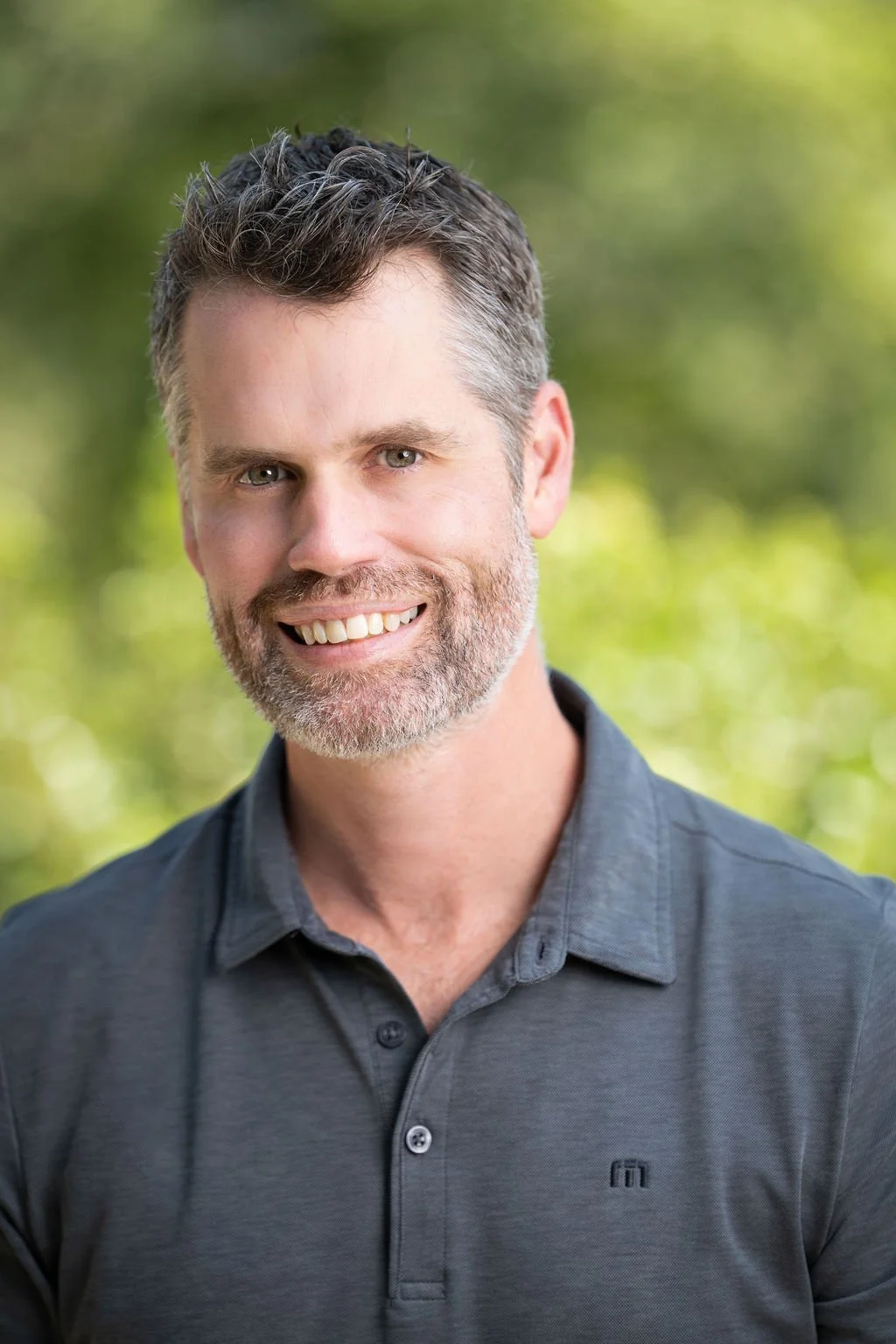
Ready to turn your stalled suppliers into active climate partners? Let’s talk.
Book a free consultation with a Josh Folk, head of partnerships at RyeStrategy to learn more about our results-focused solutions chosen by Microsoft, Salesforce, Intuit, and more.
